
Standardizing Bungee Jumping
Millions have taken the plunge since bungee jumping launched as a commercial industry, and the market is on track to reach $3.6 billion in revenue by 2033.
Millions have taken the plunge since bungee jumping launched as a commercial industry, and the market is on track to reach $3.6 billion in revenue by 2033.
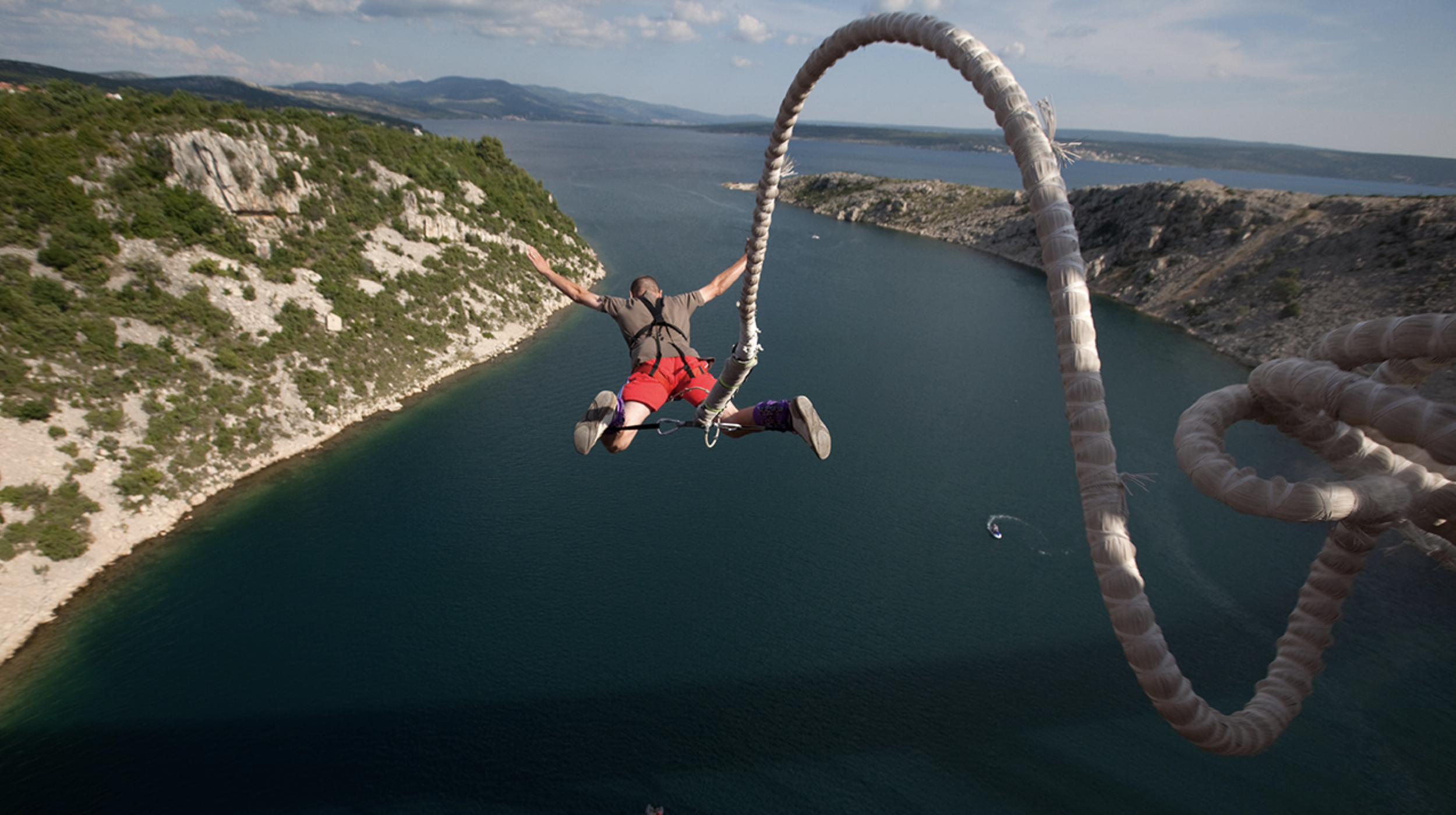
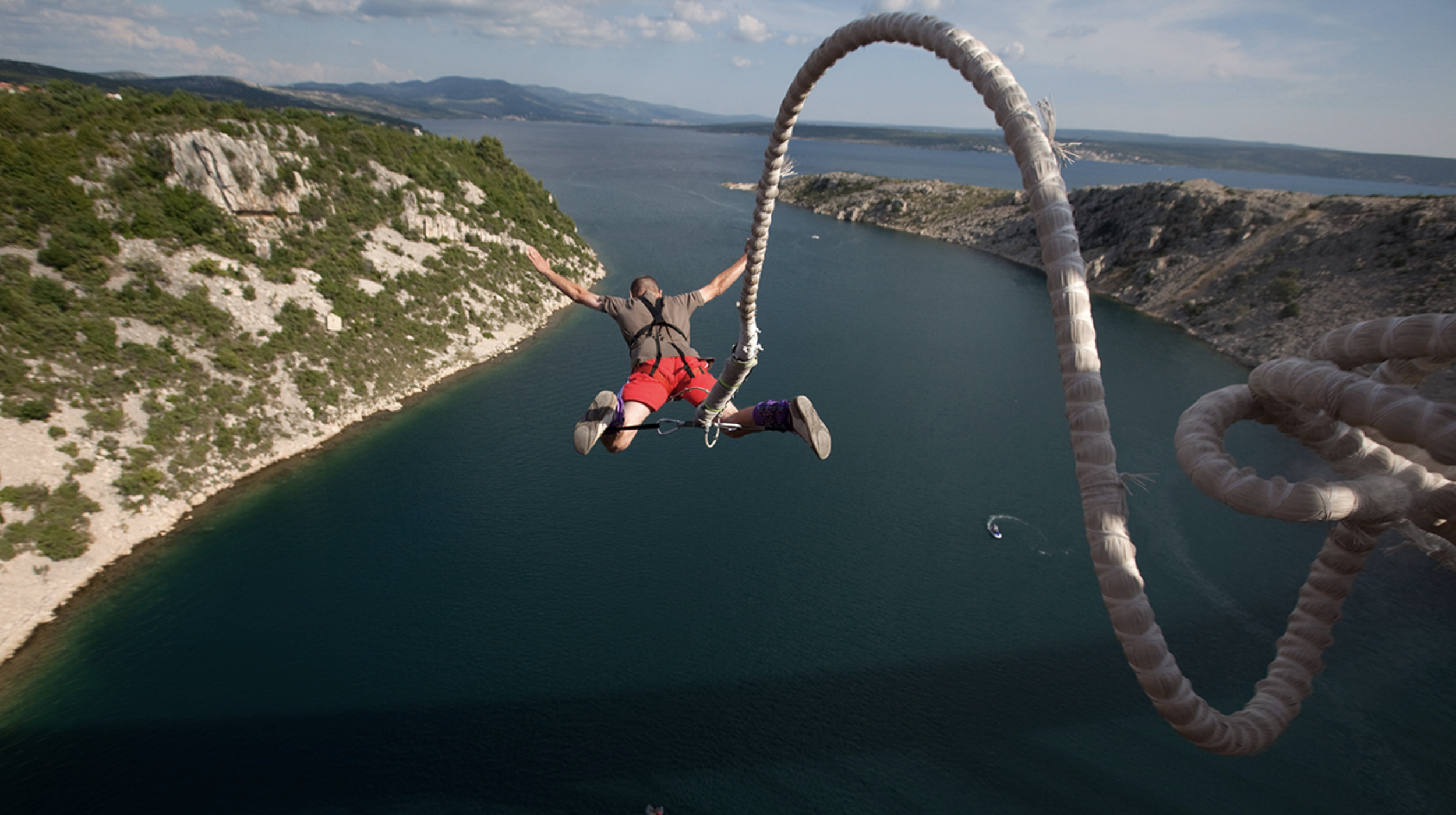
There is no doubt that bungee jumping is an extreme activity – diving off a bridge or structure secured by what looks like a rubber band does not seem reasonable to many. However, despite this fact, it is also one of the most popular and fastest growing activities in the world. Millions of people have taken the plunge since bungee jumping launched as a commercial industry in the 1980s, and the market is on track to reach $3.6 billion in revenue by 2033 according to HTF Market Intelligence.
Despite this growth, bungee jumping has existed in a strange space for the last few decades: globally popular but only locally regulated. The activity originally took off in New Zealand, North America, Europe, and elsewhere, with each region developing its own techniques, equipment preferences, safety philosophies, and operational expectations. What never existed was a single, international, consensus-based standard that brought all of that together.
That has now changed thanks to ASTM International’s committee amusement rides and devices (F24), which recently approved the first international standard for bungee jumping sites, the standard practice for bungee jumping (F3785). Now bungee designers, manufacturers, operators, and regulators have established criteria for the design, manufacture, installation, operation, maintenance, auditing, and modification of safe bungee jumping operations.
As the standard states: “There are two fundamental principles that underline and shape this practice and shall be considered by the designer/engineers, manufacturers, and operators of bungee jumping equipment, systems, and procedures and shall be applied whenever the benefit exceeds the inherent risks. These are the principles of competence and redundancy.”
In this context, competence applies to the people using bungee jump equipment and their ability to perform desired tasks in the prescribed manner, while redundancy refers to the potential for component failure and the ability of a secondary component to take over and prevent an accident.
Uniting an Industry
“One of our goals with this was to have a standard that, if bungee jumping companies or entrepreneurs would like to open up a bungee jumping site, particularly in North America, this clears the way for them to work with the engineers and the regulators,” says Mike Teske, F24 task group leader and senior technical and sales representative with Cimolai Technology.
The existing regulatory uncertainty has had real consequences, he adds. While bungee jumping has thrived in places like New Zealand and Asia, in North America, the activity has stalled. “The bungee jumping industry in North America started up years ago, grew a little bit, and then it kind of fizzled out,” he explains. The creators of this standard hope to reverse this trend.
The effort to create and adopt F3785 was seven years in the making and brought together an international coalition of bungee industry professionals from as far away as Australia, New Zealand, Central America, Bali, and Japan, all committed to reshaping how the industry operates, regulates itself, and maintains public trust. The group was uniquely open in sharing intellectual property, Teske says, including detailed discussions around equipment testing, storage, monitoring, and operational procedures. The result is a standard that offers not a prescriptive checklist, but a flexible framework meant to accommodate the diversity of bungee jumping operations worldwide.
A Fragmented Activity
“There’s never been an international standard for bungee jumping before,” says task group member Nick Steers, a Quebec-based freeride ski and bungee jumping professional who is also the co-founder of The Great Bungee Company. “There have been many different regional standards, national standards, and association-based standards, but there’s never been an international standard in the sense that there was consensus.”
That fragmentation dates back to bungee jumping’s origins. Early pioneers in the U.K., New Zealand, North America, and Europe all took inspiration from the same televised stunts, but built their businesses independently.
“Everyone drew their own inspiration from those early bungee jumping stunts to create companies and to create an industry within their own region,” Steers says. “With those early pioneers came their own regional standards, views on safety, and interpretations of what best practices were.”
With this history in mind, the committee’s hope for this new standard has less to do with regulators and more to do with perception. The goal is that, as the standard becomes known and bungee jumping sites are audited to be in compliance, it will be like any other certification: a recognized credential.
“When you go to a mechanic shop and it says that I’m an ASE certified mechanic, you feel good,” Teske says. “You feel like they’ve taken the time to validate their experience.” The same can apply to bungee jumpers standing on a platform for the first time. “It will give people a sense of confidence.”
Looking Ahead
Even before widespread adoption, the standard has triggered new activity in bungee circles. A new industry group called the International Bungee Association recently launched with the goal of providing training, education, and even audit support for operators looking to align with F3785.
The next step is getting the word out and putting the standard to test in the real world.
“Every standard can be improved,” Teske says, “and time will tell what’s not clear or needs to be changed. For now, we’re glad to have this standard out on the water, and the sails up, and it’s on its way. We're very proud to have reached this point.”
By Tim Sprinkle for ASTM
Tim Sprinkle is a freelance writer based in Colorado Springs, CO. He has written for Yahoo, The Street, and other websites.
Bungee Jumping Standard Approved
The new practice is the first bungee standard approved by an international standards development organization.
The new practice is the first bungee standard approved by an international standards development organization.
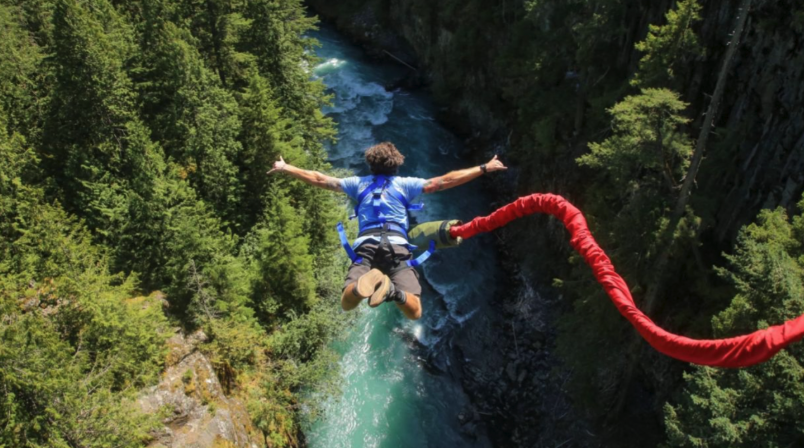
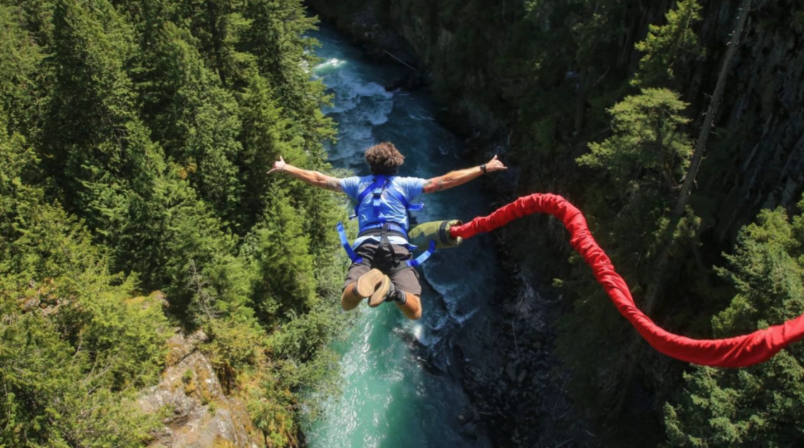
ASTM International’s amusement rides and devices committee (F24) has approved the first standard for bungee jumping developed by an international standards development organization. The new practice for bungee jumping sites has been published as F3785 in December 2025.
According to ASTM member Mike Teske, owner/operators, designers, manufacturers, and regulators in the bungee jumping industry will now have a single document outlining the minimum requirements to use as a baseline for their work.
“Bungee jumping is a unique and very specialized amusement experience that relies heavily on strong designs, consistent equipment, and comprehensive operation processes,” says Teske, senior technical and sales representative, Cimolai Technology. “Over the years, different countries and regions have developed their own standards with numerous variations.”
Teske notes that the new standard has been written by a task group consisting of respected industry experts from around the world.
“This standard was developed by operators, designers, engineers, and manufacturers of bungee jumping sites and equipment from Asia, New Zealand, Canada, Central America, and the USA,” said Teske. “The task group’s dedication over seven years to compile the standard shows their commitment to developing a standard that will help ensure the public that best practices are being used in bungee jumping operations that follow the standard’s guidelines.”
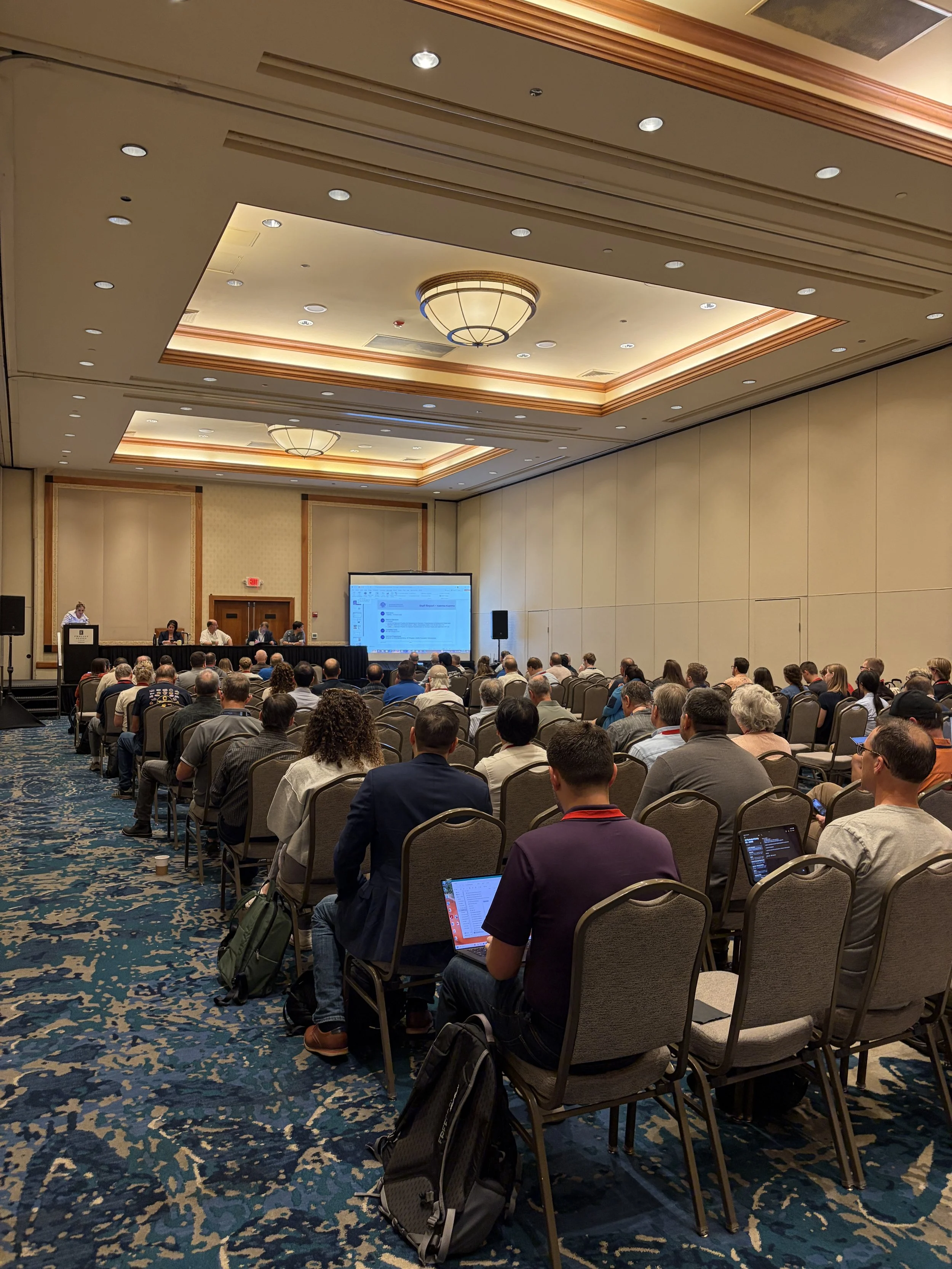
The new ASTM International Standard gets consensus approval
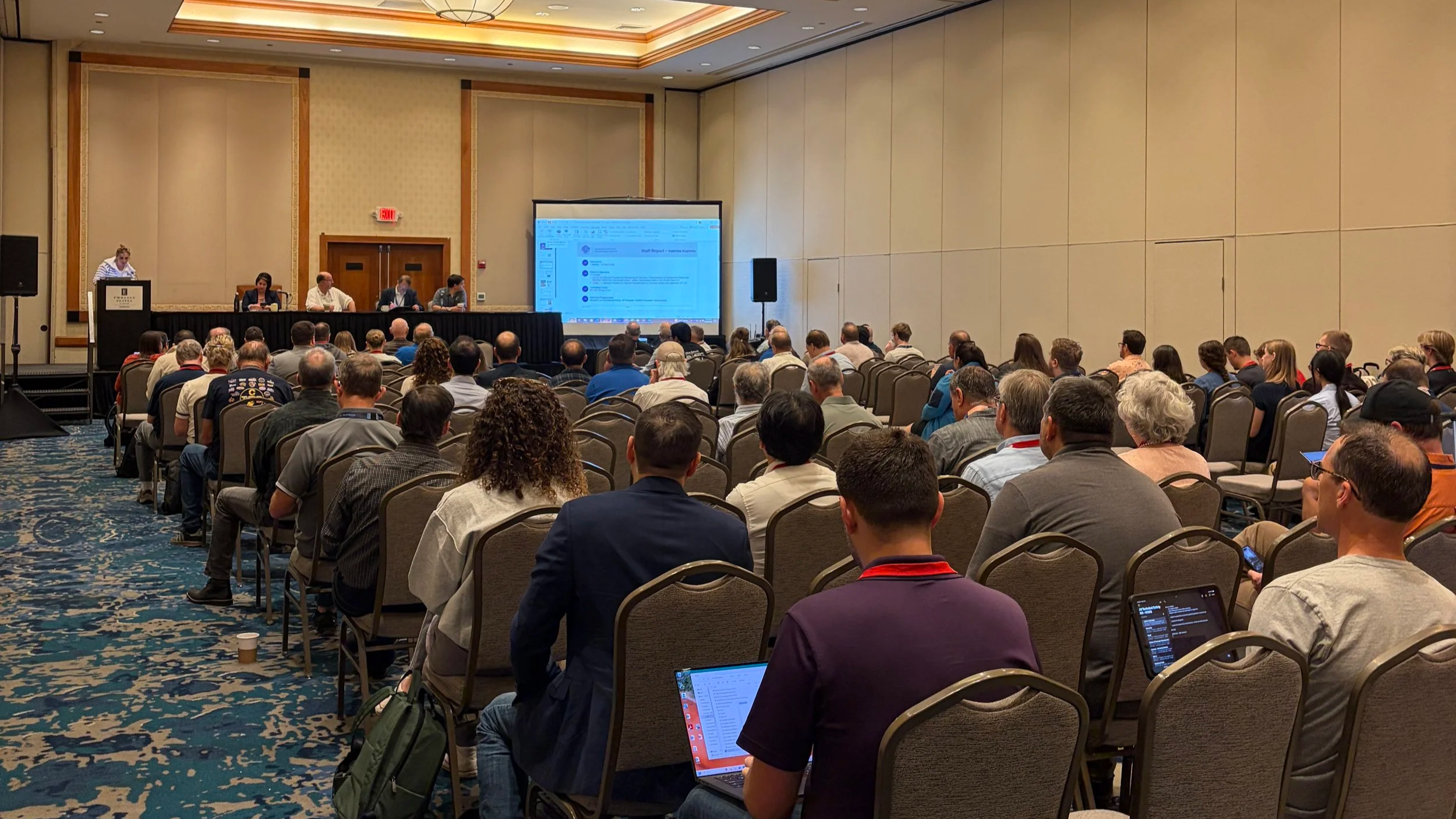
ASTM F24 Scottsdale, AZ
Big news came out of Scottsdale, Arizona this past week during the ASTM F24 conference with the announcement that after 7 years the bungee jumping task group have achieved success in getting the ASTM WK62522 standard approved with the document moving on to in-house editorial and clean-up with it being slated for publication in early 2026. Once published, the document will receive a new ASTM publication number. The journey to get to this point has been a substantial undertaking involving efforts from experts from around the world.

The standard is expected to shift and change slightly over time with each change to the document being arrived at via the same consensus process that the entire standard went through of conceiving improvements at the task group level, ballot drafting and then membership voting.
This standard is a significant landmark In the 40 year history of the bungee jumping industry as it represents the first International Standard that the industry has ever had drafted in accordance with the WTO’s Principles for the Development of International Standards. This document will find it’s way into government legislation around the world allowing for bungee jumping to fit into the licensed and inspected F24 world, paving the way for more major markets to get into the industry.
The IBA would like to acknowledge the efforts of Mike Teske the task group lead who remarkably chaired the task group continuously through the standards entire 7 year history as well as Matthew Lawrence who assumed a leadership role amongst the subject matter experts. The IBA would also like to recognize the efforts the efforts of all who contributed to the task group at their own expense as volunteers to provide valuable insight in order to serve the future of the industry.
More to come.
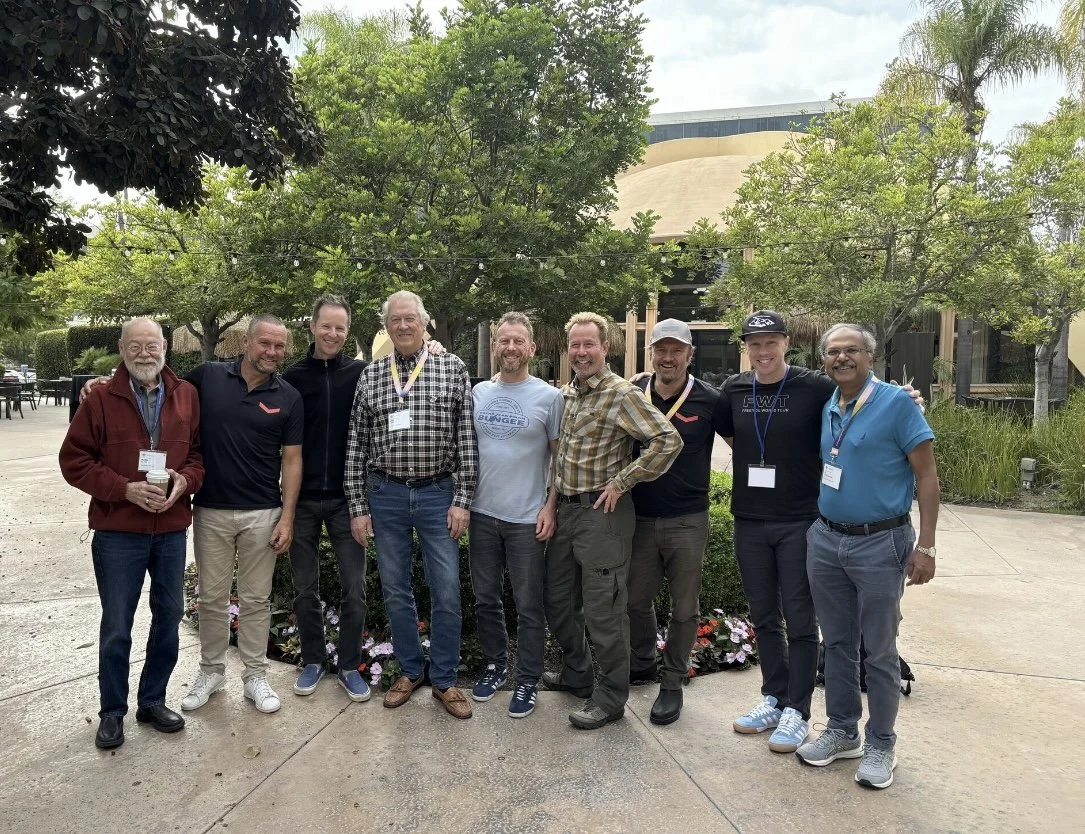
ASTM 62522 Out to Ballot
The ASTM bungee jumping standard ballot is currently live on ASTM.ORG and closing August 25. Any ASTM member can participate in the voting process. Any person not an ASTM member that wishes to vote on the ballot is encouraged to join the ASTM by registering and paying the annual fee giving them immediate access to vote.
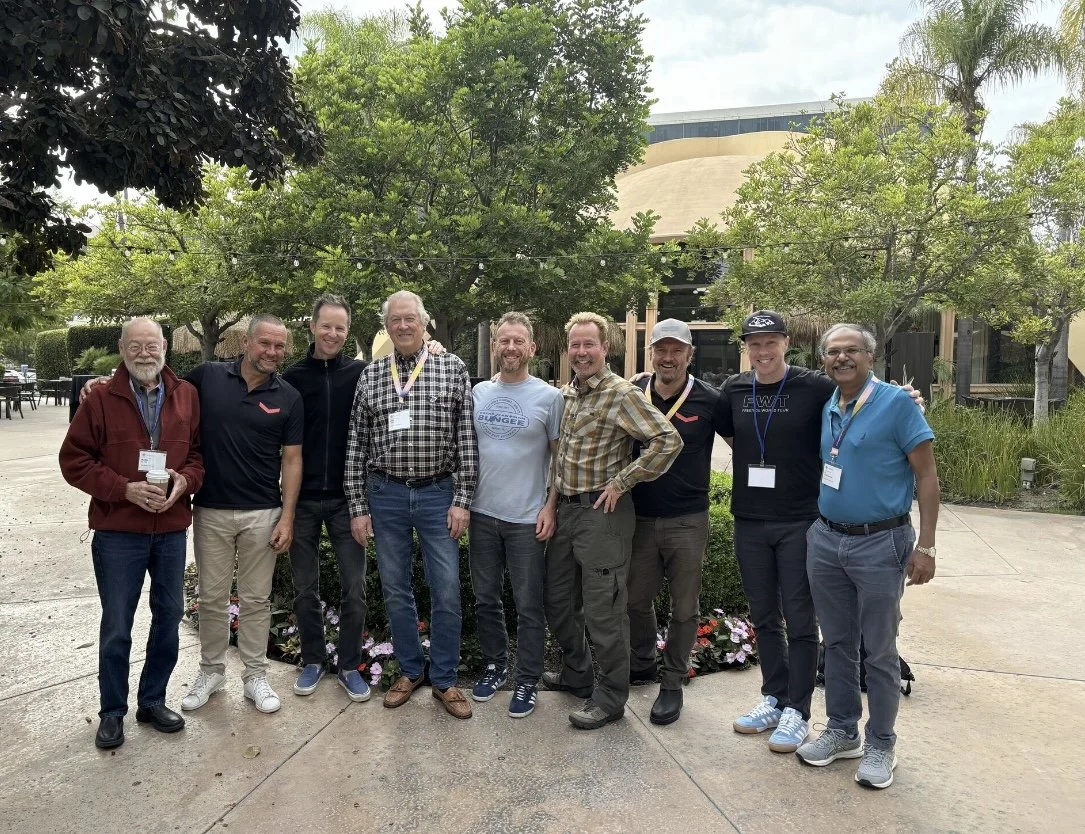
The ASTM bungee jumping standard ballot is currently live on ASTM.ORG and closing August 25. Any ASTM member can participate in the voting process. Any person not an ASTM member that wishes to vote on the ballot is encouraged to join the ASTM by registering and paying the annual fee giving them immediate access to vote.
Contact the IBA for any questions about the standard or info about joining ASTM.

The IBA comes to life!
Following the exhaustive process of developing an International Standard, the experts at the forefront of the bungee jumping industry have assembled the first group to bring the International Bungee Association to life. Armed with a unifying document that brings not only them together, but the entire industry, a framework is now in place for creating an organization that is expected to grow rapidly
Following the exhaustive process of developing an International Standard, the experts at the forefront of the bungee jumping industry have assembled the first group to bring the International Bungee Association to life. Armed with a unifying document that brings not only them together, but the entire industry, a framework is now in place for creating an organization that is expected to grow rapidly. Watch this space for all the latest on the IBA, the board of directors, the new members and initiatives or breaking stories in the bungee jumping industry.